Heads-up: some links on this site may be affiliate links. If you book through them we may earn a small commission at no extra cost to you. It never changes what we recommend. Read our affiliate disclosure.
Boutique hotels promise something chain hotels often cannot: personality. A converted townhouse, a quiet courtyard, a host who knows the best walk in town. The best of them make a trip memorable in a way a standard room rarely does. But the word "boutique" is used so freely that it can mean almost anything. This guide explains what to look for, where to look and how to avoid the small disappointments that come with small hotels.
What "boutique" really means
There is no official definition of a boutique hotel, and the term is not a regulated classification in the way star ratings are in some countries. Any hotel can call itself boutique. In practice, the word usually suggests:
- A relatively small number of rooms
- Distinctive design or a historic building
- A strong sense of place, often reflecting local style, materials or food
- Personal, attentive service
Because the label is marketing rather than a standard, judge each hotel on what it actually offers rather than what it calls itself.
Independent or part of a collection?
Boutique hotels come in two broad kinds. Independent hotels are owned and run on their own, often by people who live locally. They can be wonderfully personal, but standards depend entirely on the owners.
Collection or brand-affiliated hotels are independent in character but belong to a marketing group or a larger company's "collection" brand. They may offer loyalty points, more consistent standards and easier booking, sometimes with a little less individuality. Neither is better in itself; it depends on whether you value a predictable experience or a more personal one.
Where boutique hotels tend to cluster
Small, characterful places to stay are found all over the world, but they gather in certain kinds of places.
Historic old towns
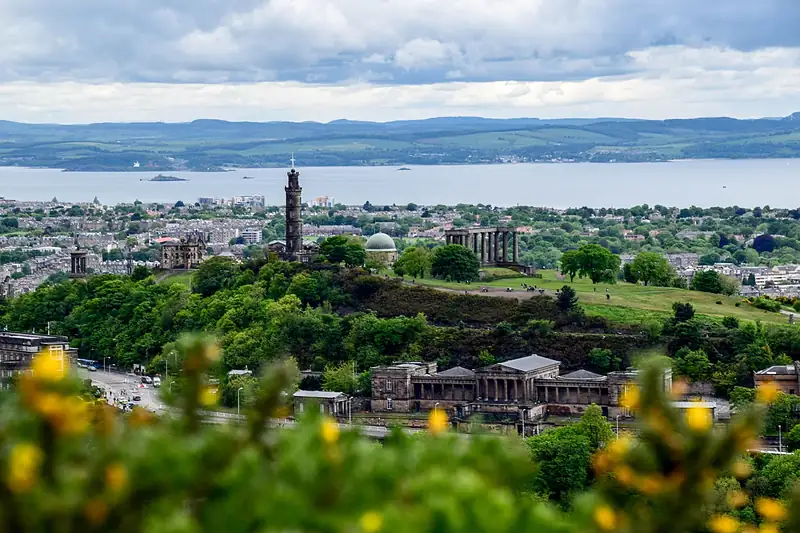
Old town centres, where buildings are small and protected, are natural homes for boutique hotels. Large modern hotels simply do not fit, so converted houses and former merchants' homes take their place. Edinburgh's Old Town and New Town are good examples; see our guide to affordable luxury hotels in Edinburgh for how to approach a city like this.
Converted townhouses
Cities with grand terraced streets, from London to Lisbon, have many townhouse hotels. Expect high ceilings and period features, but also steep stairs and rooms that vary greatly in size.
Riads in Morocco
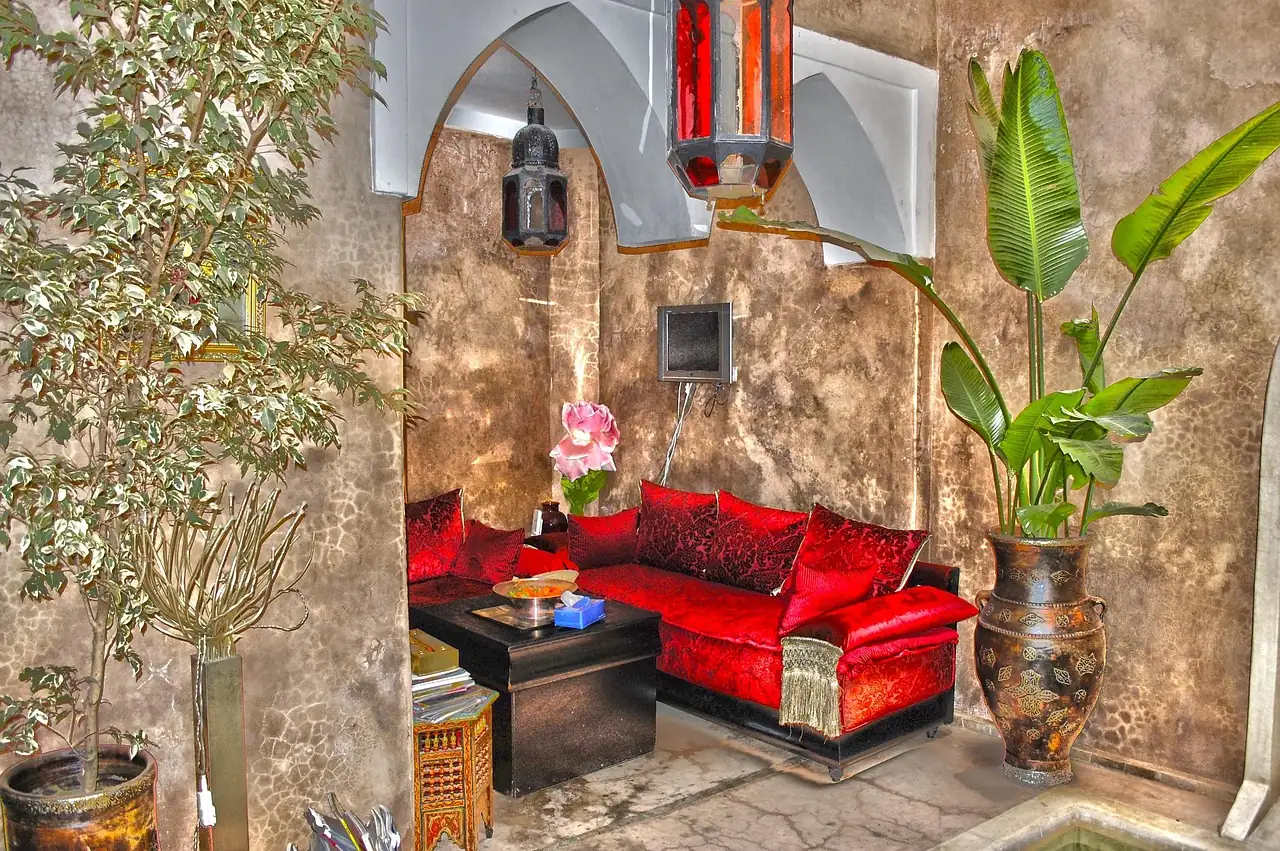
A riad is a traditional house built around an inner courtyard or garden, found in the old medinas of cities such as Marrakech and Fez. Many have been turned into small guesthouses. They can feel peaceful even in a busy medina, though some are reached through narrow lanes that cars cannot enter, so ask about luggage and arrival directions.
Ryokan in Japan
A ryokan is a traditional Japanese inn, a related small-inn tradition rather than a boutique hotel in the Western sense. Many offer tatami-mat rooms, futon bedding and often a multi-course dinner, and some have hot-spring baths. Read the house customs before you go, such as bathing etiquette and meal times, which are part of the experience.
Pousadas in Portugal
Portugal's pousadas are hotels set in historic buildings such as castles, convents and manor houses. They show how heritage buildings can be given a new life as places to stay.
Agriturismi in Italy
An agriturismo is a farm stay, usually on a working farm or estate, often in rural areas such as Tuscany and Umbria. Food from the farm or local area is often a highlight. A car is usually useful, so factor that into your plans.
How to read reviews for small hotels
With only a handful of rooms, a small hotel's reviews can swing a lot. Read them carefully:
- Look at recent reviews. Ownership and management changes can transform a small hotel, for better or worse.
- Read the middle ratings. Three and four-star reviews often describe trade-offs honestly, such as a lovely room but a noisy street.
- Notice room-specific comments. In historic buildings, no two rooms are alike. If guests mention one room as small or dark, note its name or number.
- Check how the hotel responds. Thoughtful, polite replies to criticism are a good sign of care.
What to check before you book
The charm of an old building can come with practical quirks. These are worth confirming:
- Lifts: many historic properties have no lift, or only a small one. If anyone in your party has limited mobility or lots of luggage, ask.
- Stairs and access: check whether rooms are reached by narrow or steep stairs and whether there are ground-floor rooms.
- Noise: central locations can be lively at night. Ask for a room at the back or on a higher floor if you are a light sleeper.
- Parking: old town centres often have limited or no parking, and some have restricted traffic zones. Ask where you can leave a car.
- Room sizes: rooms in the same category can vary considerably. Look for sizes in the description and photos of the specific room type.
- Reception hours: small hotels may not staff reception around the clock. Confirm check-in times and what to do if you arrive late.
- Air conditioning and heating: older buildings vary, so check if you are travelling in hot or cold seasons.
Booking direct and other perks
Comparison sites are excellent for finding boutique hotels and checking prices. Once you have found one you like, it is worth looking at the hotel's own website or contacting it directly. Some small hotels offer extras for direct bookings, such as breakfast, a welcome drink, flexible check-in or a better choice of room. Others offer exactly the same as the booking sites. Compare the full price and conditions, and choose whichever genuinely suits you. Our hotel booking hacks explain how to compare fairly.
Timing helps too. Boutique hotels in popular places can fill early during festivals and peak season, while shoulder seasons often bring better availability and calmer streets. Our broader guide to saving money when you travel has more ideas.
Key takeaways
- "Boutique" is a marketing term, not an official category, so judge each hotel on its merits.
- Independent hotels offer personality; collection brands add consistency and sometimes loyalty points.
- Look in historic old towns, townhouses, riads, ryokan, pousadas and agriturismi.
- Read recent, room-specific reviews and note how the hotel responds.
- Check lifts, stairs, noise, parking, room sizes and reception hours.
- Compare booking sites with the hotel's direct offer before you pay.
Frequently asked questions
Are boutique hotels more expensive?
Not always. Some are luxurious and priced accordingly, but many small guesthouses and townhouse hotels are reasonably priced, especially outside peak season. Compare like with like, including breakfast and taxes.
Are boutique hotels good for families?
Some are, and some are better suited to couples. Check room sizes, whether children are welcome and whether there are family rooms before you book.
What is the difference between a boutique hotel and a guesthouse?
The line is blurry. Guesthouses are usually simpler and often owner-run, while boutique hotels tend to put more emphasis on design and services. Many small places combine both.